
Secondary glazing for listed buildings: a guide for period properties in Leeds
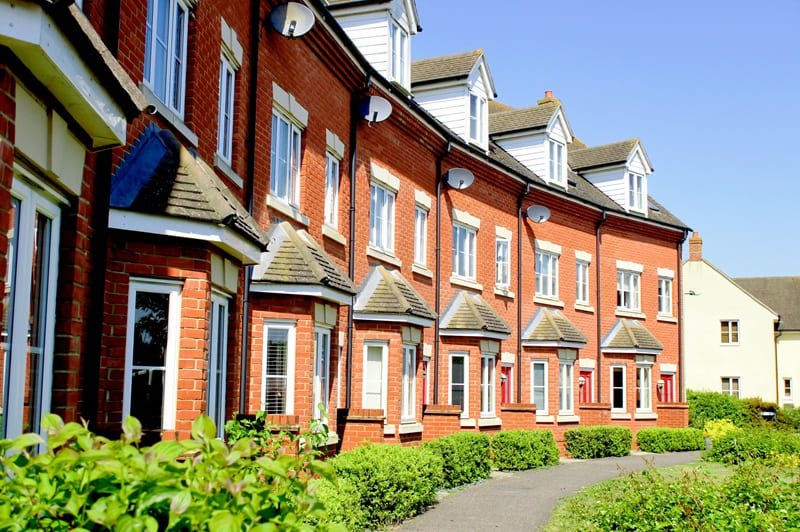
Period properties are beautiful, but they can come with some trade-offs. They can often be cold, draughty and let in more noise than a modern home would. And when your windows are original single-glazed sashes, swapping them for double glazing usually isn’t an option if your property is listed or sits in a conservation area.
That’s where secondary glazing for listed buildings comes in. Nationally, it usually doesn’t need planning permission or Listed Building Consent, because it’s fitted internally and doesn’t change how your building looks from outside. In Leeds, there’s one important exception worth knowing about before you start, which we’ll come to. Here’s what you need to know.
What is secondary glazing?
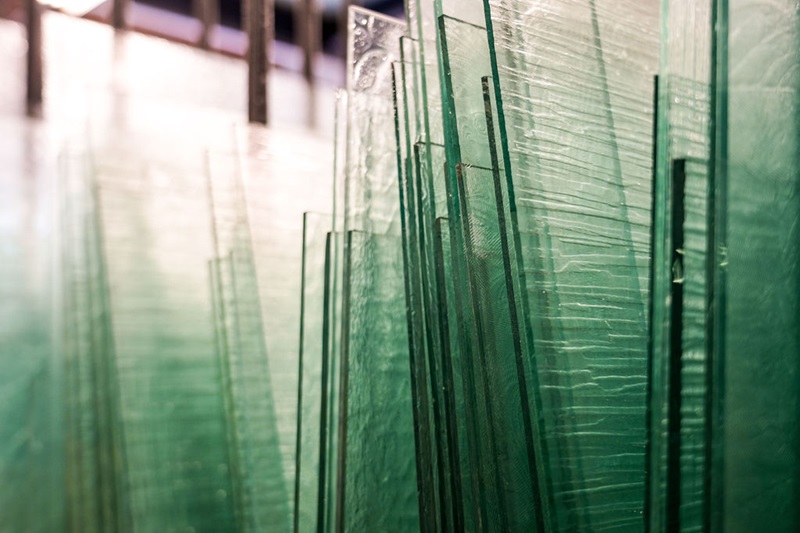
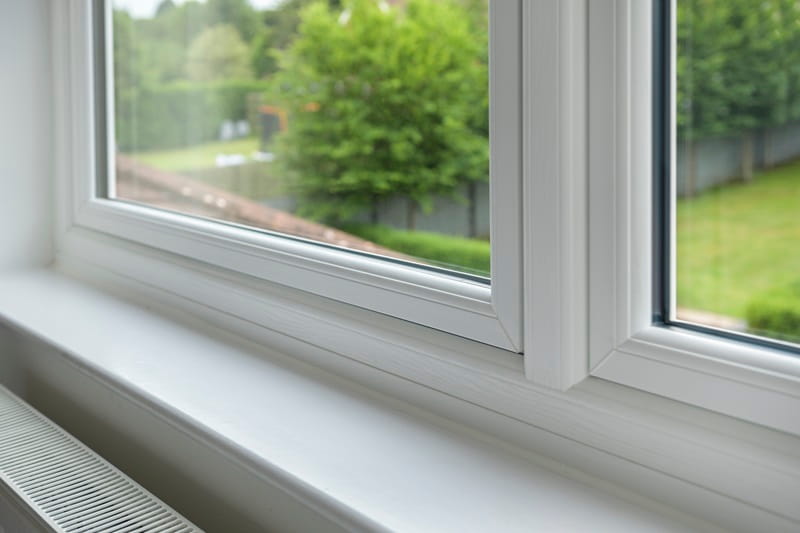
Secondary glazing is a second, independent pane of glass fitted to the inside of your existing window. Think of it as an extra layer rather than a replacement.
The original window doesn’t move. It stays exactly as it is on the outside, in full view. Nothing about the appearance of your building changes, which is exactly why it’s fully reversible and a much easier sell to conservation officers. Take a look at our secondary glazing service for more on how it works and what’s involved.
Secondary glazing vs double-glazed windows: what’s the difference?

The two get confused a lot, but they work in different ways.
Double-glazed windows contain a sealed unit made from two panes of glass. Installing them usually means replacing or altering the existing window, which can affect the original fabric of a listed building and may require consent.
Secondary glazing adds a separate pane on the inside, behind your original window. Nothing external changes.
| Double-glazed windows | Secondary glazing | |
|---|---|---|
| What it involves | Usually involves replacing or altering the existing window. | Adds a separate pane inside the existing window. |
| External appearance | May change. | Stays the same. |
| Permission or consent | Often requires Listed Building Consent. | Usually doesn’t require permission, though listed properties should check first. |
| Best suited to | Properties where windows can be altered or replaced. | Listed buildings and conservation areas. |
Why listed buildings and conservation areas require a different approach
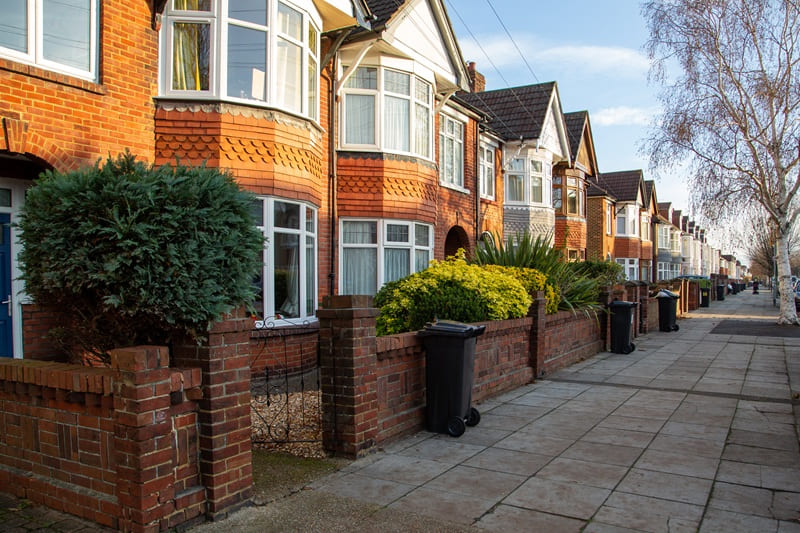
What makes a building ‘listed’?
In England, listed buildings are graded by how significant they are. Grade I is the highest, reserved for buildings of exceptional interest. Grade II* covers particularly important buildings, and Grade II, the most common, covers buildings of special interest that are worth protecting.
Leeds has over 3,300 listed properties across the city, from Victorian terraces to Georgian townhouses. If yours is one of them, any work that changes its character needs sign-off first, and that’s the one case where secondary glazing needs a proper check before you go ahead.
Secondary glazing in a conservation area
Even if your property isn’t individually listed, it might sit inside a conservation area, and that comes with its own restrictions. Leeds City Council has designated a number of these across the city, including Headingley, Chapel Allerton, Horsforth and Harewood.
The good news is that secondary glazing in a conservation area generally doesn’t need planning permission on its own, since it’s an internal change and doesn’t affect the building’s appearance. It’s a different picture if the property is also listed, which is common in older parts of these areas, so it’s worth knowing which category yours falls into.
Planning permission and listed building consent
Secondary glazing generally doesn’t need planning permission, since it’s fitted internally and doesn’t change how your building looks from outside. This applies in most conservation areas too, including Headingley, Chapel Allerton and Horsforth, though it’s always worth a quick check if your street has an Article 4 Direction in place.
The exception is listed buildings. Leeds City Council requires Listed Building Consent for anything that affects a listed building’s character, inside or out. Whether secondary glazing counts can depend on the building, so if yours is listed, it’s worth a call to the council’s heritage team or a conservation officer before you go ahead. It won’t take long and it saves any risk of doing the work and being asked to undo it.
Historic England publish detailed guidance on secondary glazing for listed buildings, and it’s also worth a read alongside what your local conservation officer tells you.
The practical benefits of secondary glazing for period properties

- Thermal performance. Secondary glazing cuts down on heat loss through single-glazed sash windows. Some estimates put the reduction in window-related heat loss at up to 60%, which matters more than ever with energy costs on the rise.
- Noise reduction. The air gap between your original window and the new pane is what does the work here. It’s one of the most effective ways to cut outside noise without replacing anything. We’ve covered this in more depth in our guide to noise reduction glazing in Leeds.
- Draught reduction. Old sash windows are notorious for draughts, especially around the frame and where the sashes meet. Secondary glazing seals that gap and helps reduce the cold spots that come with it.
- Condensation control. A single pane of old glass gets cold fast, and that’s when condensation builds up. Adding a second, warmer inner pane reduces that.
- Security. An extra pane is an extra barrier. It’s a small thing, but it matters for both homes and offices.
- Keeps the original character. Nothing changes on the outside. The window you see from the street is the original window.
Secondary glazing for commercial and office buildings in Leeds
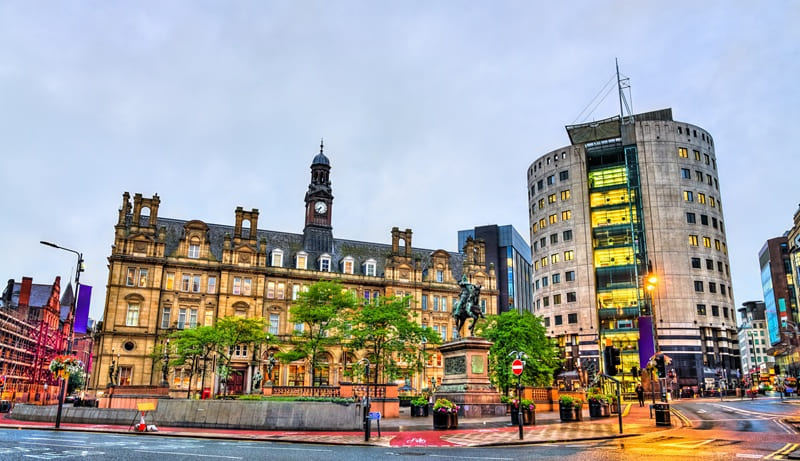
Leeds city centre has a lot of Georgian and Victorian buildings that are used commercially for offices, shops and hospitality venues, many of them listed or sitting in conservation areas.
For businesses, the priorities are usually a bit different. Noise is often the bigger issue on busy streets, and disruption is what everyone wants to avoid. Secondary glazing can be fitted room by room or floor by floor, so there’s no need to close the building or move people out while the work’s done.
The compliance side works exactly the same way as it does for homeowners. If your building is listed, we’ll talk you through what needs checking before anything gets fitted.
Frequently asked questions
Do I need planning permission for secondary glazing on a listed building?
If your property is listed, especially Grade I or Grade II, it’s worth a quick call to Leeds City Council before you go ahead, as it can depend on how they view the specific building. For unlisted properties, including most conservation area homes, secondary glazing generally doesn’t need planning permission since it’s fitted internally and doesn’t change the external appearance.
Can secondary glazing be fitted to any type of window?
Yes. Sash, casement and bay windows can all take secondary glazing, and it can be made bespoke for windows that aren’t a standard shape, which period properties often have.
Will secondary glazing look out of place on my period property?
Modern secondary glazing has a slim, discreet profile and is fitted on the inside. From the street, nothing about your window changes.
How much does secondary glazing cost?
It depends on the size of your windows, how many you’re doing and what specification you go for, so there isn’t a single number that fits every job. The best way to get an accurate figure is to ask us for a quote.
Is secondary glazing as effective as double glazing?
For noise reduction, often yes. For thermal performance, double glazing usually has the edge, though the air gap matters more than people expect. Either way, secondary glazing gets you most of the benefit without needing permission you might not get.
If you’ve got a listed property or period home in Leeds and you’re not sure where to start, give us a call. We’ve been working with heritage properties across West Yorkshire for over 40 years and we’re happy to talk you through your options before you commit to anything.
Get in touch with the Leeds Glass team today for a free, no-obligation quote on secondary glazing in Leeds.