
Getting your home ready for autumn: a West Yorkshire guide to windows and doors
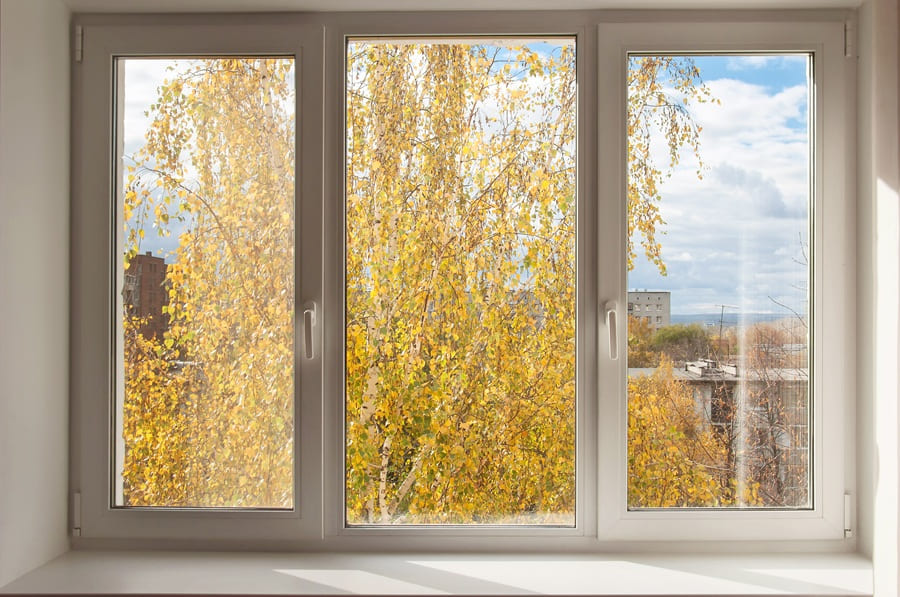
Autumn is a good time to check your windows and doors, before colder and wetter weather makes small problems more noticeable. A quick seasonal inspection helps you spot issues like draughts, misted glass and locks that are becoming difficult to use
Some issues might only need straightforward maintenance, while others are better looked at by a professional. If you’re noticing constant draughts, moisture between your window panes, damaged frames or a door that doesn’t lock properly, it’s worth arranging a survey before winter arrives.
Your autumn window and door checklist
Check frames and visible gaps
Start by looking around the edges of every window and external door. Check that each opening sash sits neatly within the frame and closes fully without leaving any noticeable draughts.
On timber frames, look for peeling paint, soft areas or exposed wood. You might also notice daylight through a gap or feel a draught when the window or door is closed.
If a frame looks distorted or a window or door does not sit correctly when closed, make a note of it rather than attempting to adjust anything yourself.
Open, close and lock every window and door
Windows and doors should open, close and lock without needing to be forced. Test each one, including any French, patio or bi-fold doors.
A stiff handle can point to a problem with alignment or worn hardware. Check that locks engage fully and keys turn smoothly. If a window won’t close securely or a door needs a shove to lock, avoid forcing it as this can put more strain on the hinges and locking mechanism.
Look for misted glass or moisture between the panes
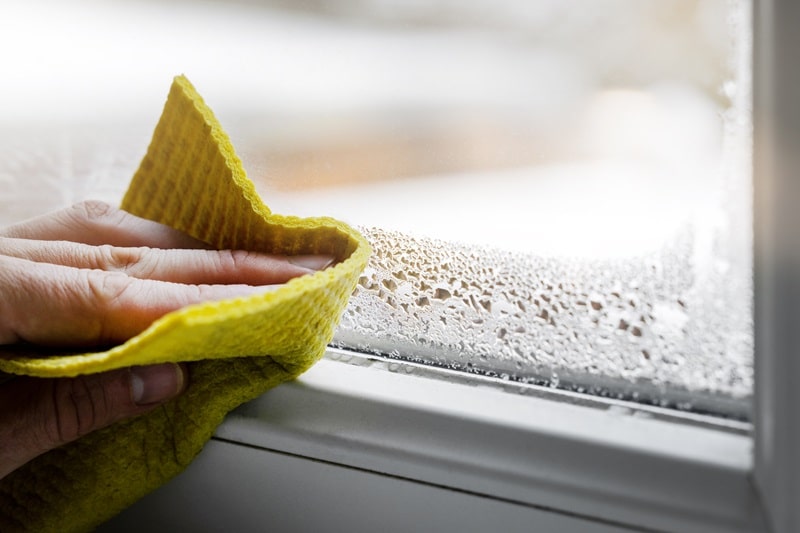
A misted double-glazed unit is one where moisture or a cloudy film has appeared between the two panes of glass. Try wiping both accessible surfaces first. If the mark does not move and remains there in different weather, the double-glazed unit has probably failed.
This affects its insulating performance but doesn’t always mean replacing the whole window. If the frame is still sound, it’s usually possible to replace the glass unit alone. Our guide to condensation and failed double glazing explains the difference in more detail.

Clean drainage channels and clear leaves from thresholds
Autumn leaves, dust and general debris can collect in your window tracks and around door thresholds. If water can’t drain away properly, it could pool against the frame or find its way indoors during heavy rain.
Clear anything you can reach safely using a soft brush or cloth, and check that the visible drainage openings are not blocked. If water continues to collect after the channels are clear, the cause needs a closer look.
Check for internal condensation and keep ventilation working
Condensation on the room-facing surface of a window happens when warm, moisture-filled air meets colder glass. It is common as temperatures drop and isn’t automatically a fault with the window.
Wipe the moisture away, use extractor fans when cooking or showering and keep trickle vents clear and open. Condensation on the outside is usually nothing to worry about and can be a sign that efficient glazing is keeping heat indoors. Read our guide to trickle vents for more advice.
Look for water ingress, damaged frames or failed hardware
Look around frames, sills and thresholds for staining, damp patches, peeling finishes or signs that water has entered after rain. Timber can rot or swell if its protective finish has broken down, while other frames can become distorted. Also check for loose handles, damaged hinges, cracked glass and locks that don’t line up.
Homes in exposed parts of West Yorkshire might show problems first on the sides of the property that take the worst of the wind and rain. Persistent leaks, damaged glass and security concerns should always be assessed professionally.
Decide whether you need maintenance, a repair or a survey
Once you’ve checked everything, separate the smaller maintenance jobs from faults that keep returning. Cleaning a track might be all that is needed, or a worn piece of hardware could be repairable without replacing the complete window.
A full replacement is more likely to be needed if frames are rotten, badly distorted or no longer keeping out the weather. If you’re unsure, a professional assessment can give you a clearer answer. You can request a free survey and we’ll talk you through the practical options.
What you can do yourself and when to call a professional
A useful autumn check shouldn’t turn into a potentially unsafe DIY repair job. There’s plenty you can inspect and clean yourself, as long as it’s easy to reach and you don’t need to remove any part of the window or door.
Safe checks you can carry out
- Clean frames, tracks and thresholds with a soft cloth or brush
- Clear leaves and debris from places you can reach safely
- Look for daylight or draughts around closed windows and doors
- Open, close and lock each window and door gently
- Note where draughts, condensation or water marks appear and whether they change with the weather
- Keep trickle vents clear and use extractor fans
When to ask for professional advice

Arrange an assessment if there’s moisture trapped between panes, cracked glass, a lock that doesn’t engage, a window that doesn’t close, rotten or distorted frames or water entering.
If your windows or doors need upgrading before winter
If an inspection shows that your windows or doors are reaching the end of their useful life, there are a few different options.
Modern energy-efficient windows can reduce draughts and cold spots, and a composite or uPVC door helps improve insulation and security. The right choice depends on the age and condition of your property, what’s causing the problem and the end result you’re looking for.
As a broad guide, Energy Saving Trust estimates that installing A-rated double glazing throughout an entirely single-glazed semi-detached home could save around £85 a year on energy bills in Great Britain. Actual savings vary according to the property, its glazing, heating system and energy use. Our guide to the signs it may be time to replace your windows and doors covers this in more detail.
Period homes usually need a little more care. If your property is listed, in a conservation area or covered by an Article 4 Direction, restrictions might apply before the original windows can be altered. Secondary glazing is often a good option here because it’s fitted internally, but it is still important to check what applies to your particular property.
Frequently asked questions
When should I check my windows and doors for winter?
Early autumn is ideal. This gives you time to deal with maintenance or arrange a survey before colder, wetter conditions make draughts, leaks and problems with locks more disruptive. It’s also sensible to check again after particularly severe weather.
Why is there condensation on the inside of my windows?
Internal condensation forms when warm, moist air meets a colder surface. Cooking, showering and drying clothes indoors can all contribute. It doesn’t necessarily mean your glazing has failed, but persistent moisture on glass, walls or frames may need further investigation.
Does condensation between double-glazed panes mean the unit has failed?
Usually, yes. Moisture or a cloudy film that can’t be wiped from either surface generally means the double-glazed unit is no longer airtight. The glass unit may be replaceable without changing the full window, provided the existing frame remains in good condition.
Should I close trickle vents in colder weather?
Trickle vents are designed to provide background ventilation and should generally remain open, including during colder weather. Blocking or permanently closing them can allow moisture to build up and affect indoor air quality. Keep the vents clean and unobstructed so they can work as intended.
How do I know if I need a window and door survey?
Consider a survey if you have persistent draughts, moisture between panes, water ingress, damaged frames or windows and doors that don’t close or lock properly. It’s also useful when you can’t tell whether the problem needs a small repair, a replacement glass unit or a complete replacement.
Book a free survey in West Yorkshire
If you have noticed persistent draughts, misted glass, damaged frames, water coming in or a door that no longer locks properly, Leeds Glass can assess the issue and explain the practical options.
We are a local family business with more than 40 years of experience working on homes across Leeds and West Yorkshire. Request a free survey and we’ll be in touch.