
Noise reduction glazing in Leeds: a guide for homes near roads and flight paths
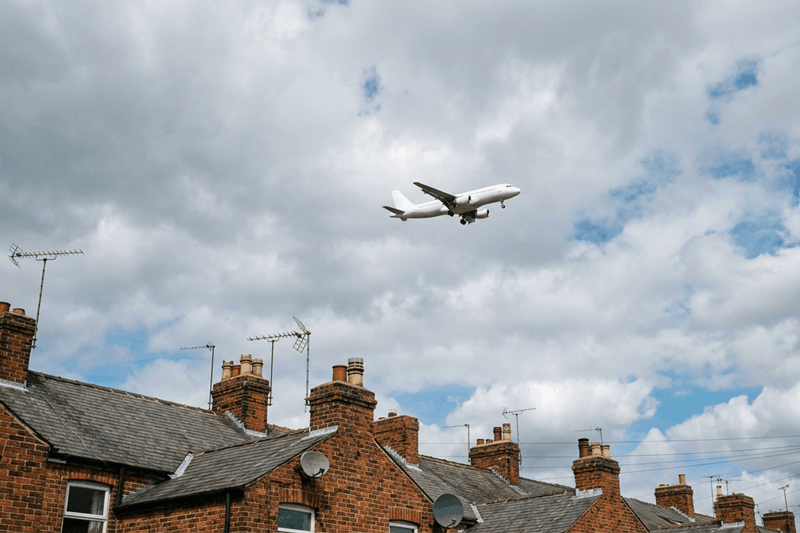
If you live near a busy road or under a flight path, chances are the noise affects your sleep, your concentration or how much you enjoy being at home. It’s a common problem across West Yorkshire and not always an easy one to tune out.
Your window glass makes a difference, and noise reduction glazing is one of the most effective long-term fixes available. It tackles the weakest point in most buildings – the windows – which is where the majority of external sound gets in. Over 5,000 people live within the primary noise-affected zone of Leeds Bradford Airport alone. Many more live near the M62, the A64, other main roads, railway lines or busy town centres. If that sounds familiar, this guide is for you.
What is noise reduction glazing?
Noise reduction glazing – also called acoustic glazing – is engineered to reduce the amount of sound that passes through your windows. It looks similar to regular double glazing from the outside, but the way it’s built is different.
Standard double glazing uses two panes of the same thickness, which means they vibrate at the same frequency. Sound travels through them quite easily. Acoustic glazing breaks the pattern in a few ways:
- Different glass thicknesses. Each pane is a different weight, so they vibrate at different speeds. That mismatch weakens the sound wave as it tries to pass through.
- Wider gaps between panes. Standard windows have a small gap designed to keep heat in. Acoustic glazing uses a larger gap, often filled with argon gas, which creates a bigger cushion that’s harder for low-frequency sounds, like traffic or jet engines, to jump across.
- Acoustic laminate. Some units include a special layer of acoustic plastic (PVB) sandwiched between the glass. This absorbs the energy of sound and converts it into a tiny amount of heat instead of noise.
It’s the same principles that are used in recording studios, just applied to residential windows.
How much difference does it actually make?
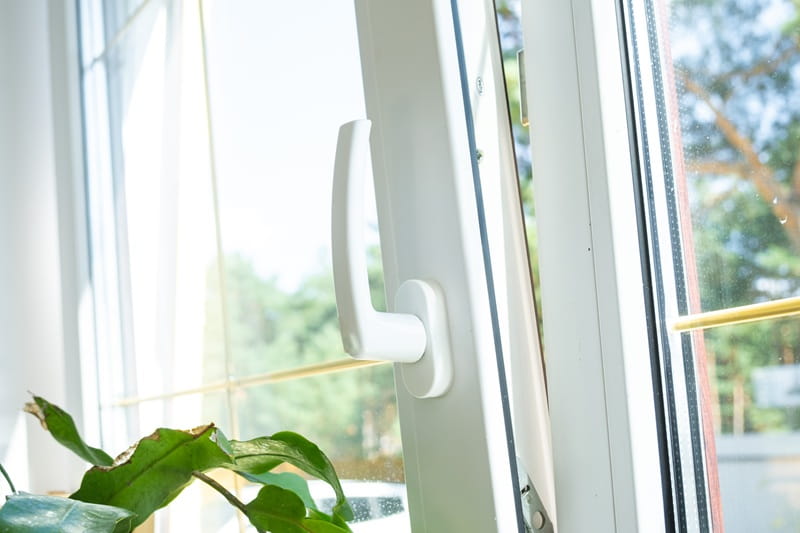
Acoustic glazing won’t make your home silent. If you live directly under a flight path, you’ll still know when a plane is overhead. But what it does is lower the background hum that’s always there. Intrusive sounds become more muffled and distant rather than right in the room with you.
The impact is often most noticeable at night and in the early morning, when it’s quiet outside and noise feels louder. Acoustic glazing helps level that out, which is where most homeowners notice the difference.
According to the Glass and Glazing Federation, a 10dB reduction – which you can achieve with quality acoustic glazing – is perceived by the human ear as roughly a 50% reduction in noise. That’s a big improvement, even if it isn’t silence.
How much difference you get depends on a few things:
- The type of noise. High-frequency sounds (sirens, birdsong, wind whistle) are easier to block. Low-frequency rumbles from jet engines or heavy lorries are harder, but acoustic glazing still performs better than standard glass.
- Your existing windows. If you’re coming from old single glazing, the change will feel bigger. If you already have modern double glazing, it’s more of a refinement than a transformation.
- Installation quality. A window is only as quiet as its weakest point. If the frame isn’t sealed properly to the wall, sound will get through the gaps. Good installation matters too.
What are your options?
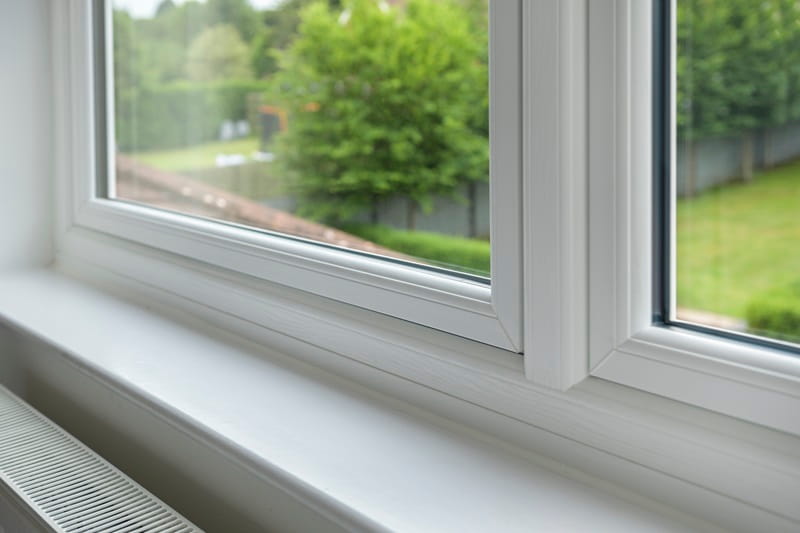
Acoustic double glazing
The most popular choice for most homes. It looks exactly like normal windows, uses mismatched glass thicknesses (like 6mm on one side and 4mm on the other), and handles most road and neighbourhood noise well. It’s a good all-rounder.
It can struggle a little with very heavy, low-frequency noise – think HGVs or aircraft directly overhead – but for most West Yorkshire homes dealing with general traffic or urban noise, it’s a solid first choice.
Acoustic laminated glass
Better suited to heavier or sharper noise. The interlayer does a lot of work absorbing sound and also adds a layer of security – laminated glass is much harder to break through than standard double glazing. It costs more, but it usually earns that extra investment in noisy locations.
Secondary glazing
A separate internal window fitted behind your existing one. Secondary glazing is one of the most effective acoustic solutions available. It’s great for period properties and listed buildings where you can’t change the external appearance of the window.
Historic England recommends secondary glazing as the preferred approach for heritage properties needing acoustic improvement. The main trade-off is convenience – opening a window for fresh air becomes a two-step process – but for homes with a serious noise problem, it’s hard to beat.
At Leeds Glass, we’re specialists in secondary glazing. Find out more.
Does acoustic glazing work for homes in West Yorkshire?

West Yorkshire is a varied county, and noise problems aren’t one size fits all. The right solution depends on where you live, the type of noise you’re dealing with and the condition of your existing windows. The Leeds Bradford Airport Noise Action Plan notes that impacts vary by street – a house at the foot of a hill in Guiseley experiences sound differently to one on a ridge in Otley. That’s a useful reminder that there’s no off-the-shelf answer.
As a rough guide:
- Homes near Leeds Bradford Airport (in areas like Yeadon, Horsforth or Cookridge) tend to deal with low-frequency aircraft noise, which is one of the harder problems to solve. Acoustic laminated glass often performs better here than standard acoustic double glazing, but a survey will always give a clearer picture.
- Homes near busy commuter routes like the M62, A64 or Kirkstall Road typically deal with a more consistent traffic hum. Asymmetric glazing with different thicknesses on each pane is generally well suited to this kind of noise.
- Victorian terraces and older properties across areas like Headingley, Saltaire and Armley often have thinner walls and older windows, which means noise gets in through more than one route. Secondary glazing can work well for these homes, though the right answer always depends on the individual property.
The most important thing is getting the right advice for your specific home.
What to think about before you decide
Before going ahead with any acoustic glazing, it’s worth thinking through a few things:
- Where is the noise coming from? Is it low-frequency (aircraft, lorries) or higher-frequency (traffic, wind)? The answer changes what glass type will work best.
- What state are your current windows in? If your frames are solid, you might only need the glass units replaced. If the frames are old and draughty, the noise could be coming through the gaps more than the glass itself.
- Do you also need ventilation? Blocking noise means sealing up the window, which can affect airflow. Acoustic trickle vents are designed to let fresh air in while reducing noise coming through – worth asking about if ventilation is also a concern. Learn more in our guide to trickle vents for Leeds homeowners.
- What’s your budget versus your expected outcome? Secondary glazing often gives the biggest acoustic improvement for the money. Full acoustic replacement windows are a bigger investment, but they can also improve your EPC rating, which has value if you’re thinking about selling.
Why installation matters
A well-specified window fitted badly will disappoint. Small gaps around a frame can let in more noise than you’d expect, and they’re not always obvious until the job is done.
It also helps to work with someone who knows the area well. We’ve been fitting windows across Leeds and West Yorkshire for over 40 years. We know the older stone terraces, the Victorian semis, the 1930s builds and the modern developments. We know where the noise tends to come from in different parts of the city, and we know which glazing options perform well in which situations.

Get a straight answer
If you’re not sure what’s right for your home, or just want to know whether acoustic glazing would make a noticeable difference, we’re happy to take a look. We offer free surveys across Leeds and West Yorkshire, with honest advice on what’s likely to help and what the realistic outcome will be.
Get in touch with our friendly Leeds team for a survey or a quote, or give us a call on 0113 248 8433.