
Condensation or failed double glazing? Here’s how to tell
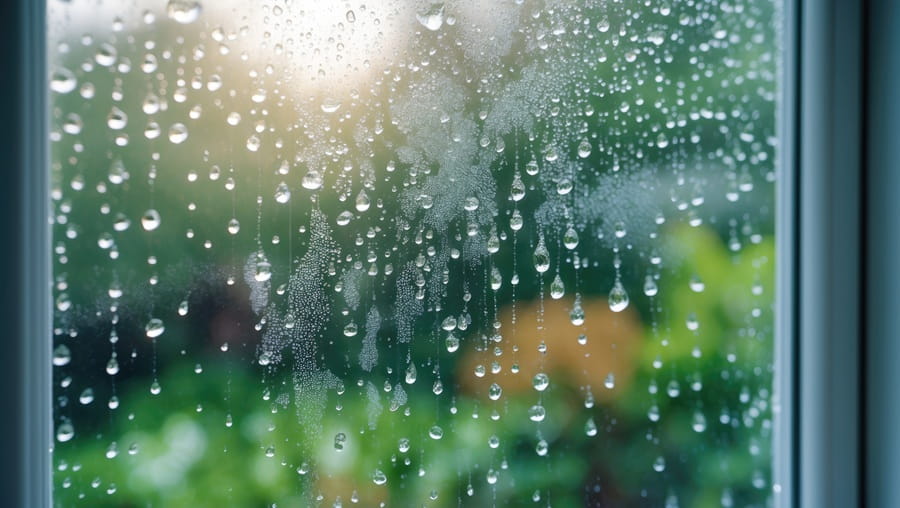
Misty windows are one of the most common concerns we hear about. If someone notices their glass is wet in the morning or there’s a haze they can’t shift, the question is always the same: is it something to worry about?
The honest answer is that it depends where the moisture is.
Condensation on double glazing is common in Yorkshire. Old houses, cold winters and not much ventilation can all add up. But if it doesn’t go away, or if it’s sitting inside the unit rather than on the surface, it’s a sign of failed glazing. Knowing whether you’re dealing with condensation or failed double glazing makes all the difference to what needs doing next.
What is condensation on windows?
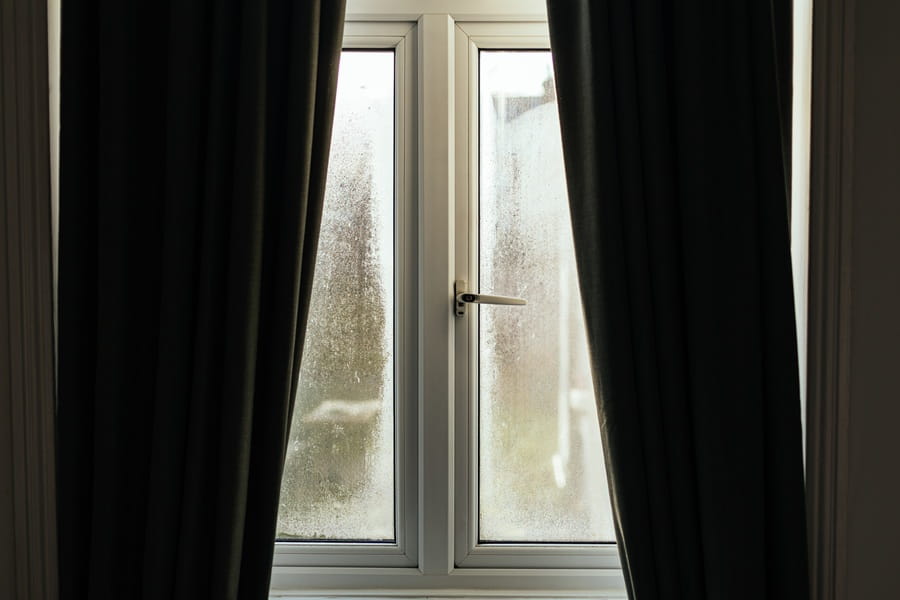
Condensation happens when warm, moist air hits a cold surface and turns to water droplets on the glass. It’s physics rather than a fault with your window.
There are three places condensation can show up on a double-glazed window, and each one means something different.
- On the inside surface: the most common type. The air inside your home picks up moisture through everyday use (like cooking or showering), and when the glass is cold, the moisture settles on it. It’s usually worse in winter when the gap between indoor and outdoor temperatures is the biggest. It’s normal – just wipe it away and take steps to improve ventilation.
- On the outside surface: this one can catch people off guard. Condensation on the outer pane is actually a sign your window is doing its job well. The outer glass stays cold because heat isn’t getting through, so moisture settles on it overnight. It usually clears once the morning warms up and you don’t need to do anything.
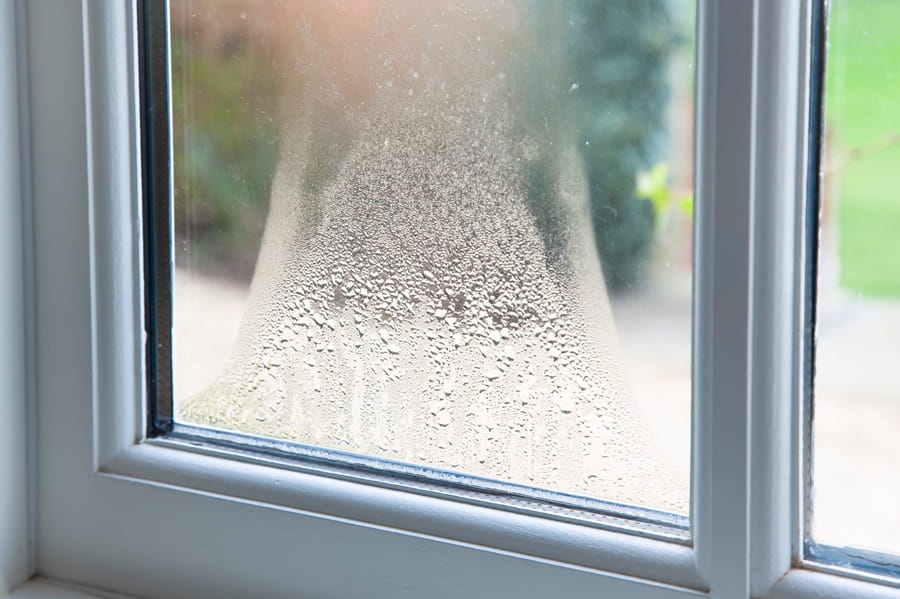
- Between the panes: this is the one to pay attention to. If there’s haze or fog sitting inside the unit that you can’t wipe away, the seal has broken. That’s a sign of failed glazing, not window condensation.
In our experience, condensation on windows in Yorkshire is particularly common in Victorian terraces and older semis. These houses are built differently to modern homes, often with less natural airflow and rooms that take longer to warm up. More ventilation usually helps. Trickle vents in modern windows make a real difference, letting air circulate without the room losing heat.
How to reduce condensation on windows
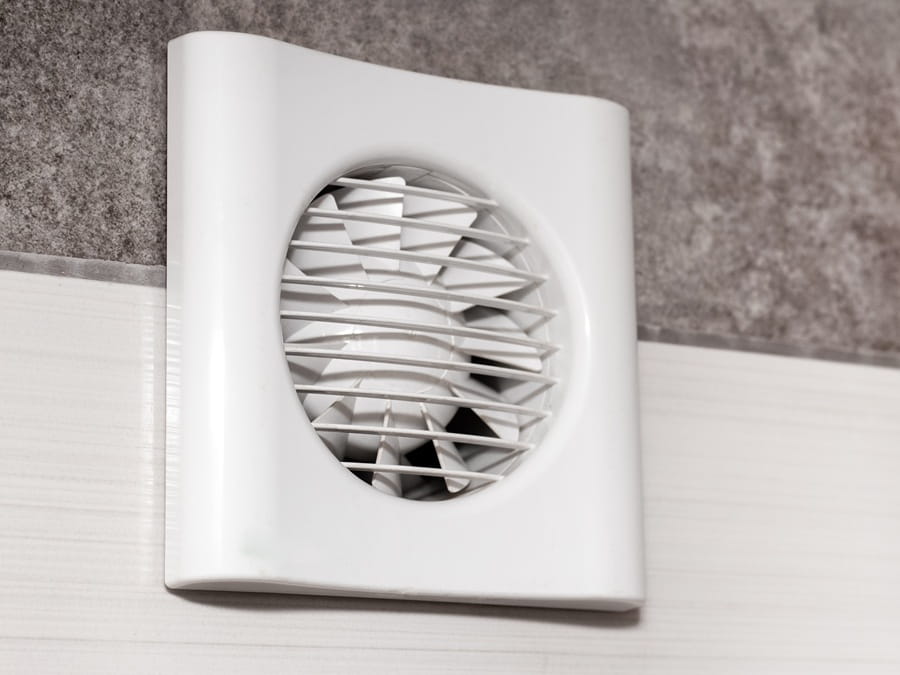
If surface condensation is your main concern rather than a failed unit, there are practical steps you can take to reduce it. We’ve put together a guide specifically for Leeds homeowners that covers:
- What causes condensation in Leeds homes
- How to improve ventilation without losing heat
- When to use a dehumidifier or trickle vents
- When condensation is a sign of something more serious
Read our full guide to reducing condensation on windows
What does failed double glazing mean?
A double-glazed window unit is made up of two panes of glass with a sealed gap between them. That gap is typically filled with a still air barrier or argon gas. Argon gas insulates much better than air alone.
When the window comes to the end of its life, the seal around the gap breaks down. Outside air gets in, the gas or air escapes and moisture follows. You end up with persistent misted-up double glazing that won’t clear.
Both the glass and the frame might look fine, but if the seal has broken, the unit isn’t doing its job. More heat gets out, your boiler works harder to compensate and in a cold Yorkshire winter, that shows up on your heating bill.
The signs of double-glazing failure aren’t always dramatic, and the deterioration is often gradual – a slight haziness that gets worse over time rather than an overnight change. It’s something that’s typical for older properties in Leeds.
Four checks you can do before calling anyone

These simple checks take a few minutes and will tell you a lot.
- Where is the moisture? If it’s on the inside surface of the glass, it’s condensation. If it’s on the outside, your windows are working as they should. If it’s between the panes, the seal has failed.
- Can you wipe it off? Surface condensation clears with a cloth. If the haze is between the panes, wiping does nothing.
- Is it there all the time? Normal condensation comes and goes with the weather; worse on a cold, damp morning, gone on a dry afternoon. A failed unit stays foggy regardless.
- Look at an angle. Get close to the glass and look across it in daylight. Streaking, a dull film or mineral deposits between the panes are signs moisture has been getting in for a while.
Rising heating bills alongside any of these signs can point to the same underlying issue, though it’s rarely enough to go on alone. If energy costs are a concern, our guide to saving on energy bills in winter covers the wider picture in more detail.
Do you need a repair or a replacement?

If the fog is between the panes, the sealed unit has failed and the glass unit needs replacing.
That doesn’t always mean new windows. If the frame is still in good condition, we can usually replace just the sealed double-glazed unit and leave the existing frame in place. This is often the most cost-effective option.
If the frame is warped, cracked or letting in water (which we sometimes see on older installations in Leeds), a full window replacement may make more sense.
A quick note on “new double glazing” vs “new windows” (and FENSA)
When people say they need their “double glazed windows replaced”, they usually mean one of two things: either replacing the sealed glass unit and keeping the existing frame, or replacing the whole window (frame and glass). The terms often get used interchangeably, but they’re different jobs with different Building Regulations requirements.
FENSA is the certification scheme used to register certain replacement window and door installations – so it’s relevant for full replacements, not glass-only unit changes.
- Replacing the sealed unit (glass only): this is usually what’s needed when there’s misting between the panes. This doesn’t involve FENSA registration.
- Replacing a full PVCu window, or door with more than 50% glass: this needs to meet Building Regulations. Using a FENSA-certified installer means the work is registered and you receive the relevant certificate. Leeds Glass is FENSA-certified, so this is all handled as part of the job.
If you’re not sure which applies, we can help. Get in touch with our Leeds team for a no-obligation survey
Why come to Leeds Glass?

We’ve been working on homes across Leeds and West Yorkshire for over 40 years. We know the types of homes in the area and the glazing issues that tend to come with them.
- Free surveys with honest, practical advice
- Installations carried out to nationally recognised standards
- FENSA-certified for full PVCu window replacements
- Local team, no call centres or national contractors
FAQs: condensation and double glazing
Will condensation between the panes clear on its own?
No. Once moisture is inside the unit, it won’t go away. The seal has broken down and the unit needs replacing. Ventilation or wiping won’t help if it’s not on the surface.
Will failed double glazing push my energy bills up?
Yes, over time. Heat escapes more easily and your heating works harder to compensate. You might not notice a dramatic spike straight away, but across a winter it adds up.
Do I need full new windows or just the glass?
If the frame is solid, we can replace the sealed unit on its own, which is quicker and cheaper than a full replacement.
How do I know if my double glazing has failed?
The clearest sign is a fog or haze between the panes that doesn’t shift or streaking on the inner glass surface. A quick look by a local glazier is the fastest way to know where you stand.
Get a straight answer
If you’ve worked through the checks above and you’re still not sure, the quickest way to get a straight answer is to have someone take a look. We offer free surveys across Leeds and West Yorkshire – no obligation, just honest advice on the best next step.
Get in touch with our friendly local team with any questions, or to arrange a survey.